The Director’s Cut
Tyson Foods Update
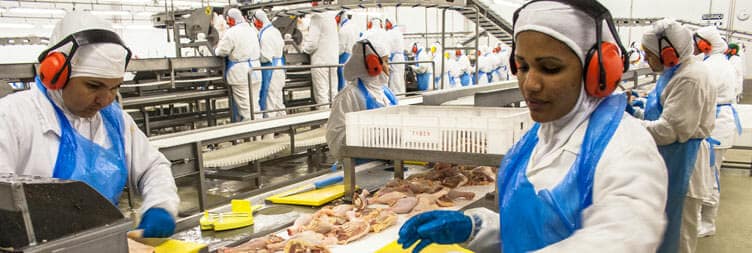
At the beginning of the workday, some workers do not simply arrive and start working. Workers at the Tyson Foods, Inc., plant in Storm Lake, Iowa, first must put on protective and sanitation gear that is necessary for the tasks they are performing that day. The time they spent donning and doffing that gear is at the center of a case that the Supreme Court decided on March 22.
Read MoreShining a Light

Three of the most important purposes of tort law are: To compensate those who have been wrongly injured; To disclose the acts of wrongdoing that caused or cause harm; To deter wrongdoing in the future. Many of the exhibits at the American Museum of Tort Law reveal how powerful the second factor – disclosure –…
Read MoreFlint Water Crisis

Flint, Mich., is under national scrutiny because of its contaminated drinking water. Various mismanagement of the city’s drinking water supply has allowed dangerous levels of lead into people’s homes, workplaces, and schools.
Read MoreWeapon of the Weak

In his remarks at the opening of the American Museum of Tort Law, Pulitzer Prize winning historian Eric Foner stated that tort law is “the weapon of the weak.”
Read MoreHistory in the making

The law is not static. It changes and evolves as society changes. So a Museum dedicated to the law is not, and cannot be static, locked in time, and frozen.
Read MoreLawn Darts
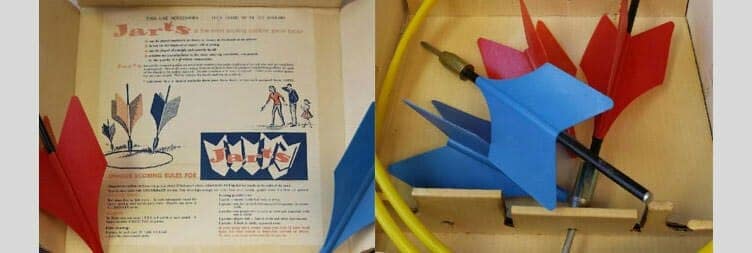
It’s so exciting to watch our reputation grow. Just this morning I received a very nice note from Professor Andrew Jay McClurg, of the University of Memphis Cecil C. Humphreys School of Law, donating a never-used set of lawn darts for inclusion in the “Dangerous Toys” section of our Museum. Professor McClurg blogs at lawhaha.com,…
Read MoreDonning and Doffing
The U.S. Supreme Court is set to decide a case involving workers at a Tyson Foods, Inc., plant who allege that the company failed to pay them overtime for donning and doffing protective and sanitation gear that they were required to wear while working, and for time spent walking to and from their workstations.
Read More